Have you ever wondered how separate words combine to form more complex structures with clear meaning? Such a combination follows specific patterns, but what is grammar exactly? In simple terms, grammar is a set of linguistic rules that describe and regulate the ways we communicate every day without even noticing.
More specifically, the role of grammar is to shape words and phrases in specific ways to convey your exact message. Without it, language would become confusing, as there would be no clear pattern to structure our thoughts. Its primary function is to facilitate speaking and writing so that your ideas are easily understood by your audience.
It serves as a helpful guide that explains how to properly shape your sentences. Notwithstanding its importance, there is no need to study grammar on a massive scale. Instead, learning a few fundamental rules is more than enough. Once you master the basics, you will be able to build clearer sentences and express your thoughts with confidence. Let’s explore the essential grammar rules in a simple, easy-to-understand way.
The Core Elements of Grammar
Grammar is based on several fundamental pillars that enable the creation of the structure of any speech. Such basic elements as nouns, verbs, adjectives, and adverbs form the skeleton of each sentence. All these four elements combine together to form utterances, which then transform into comprehensible statements or meaningful questions.
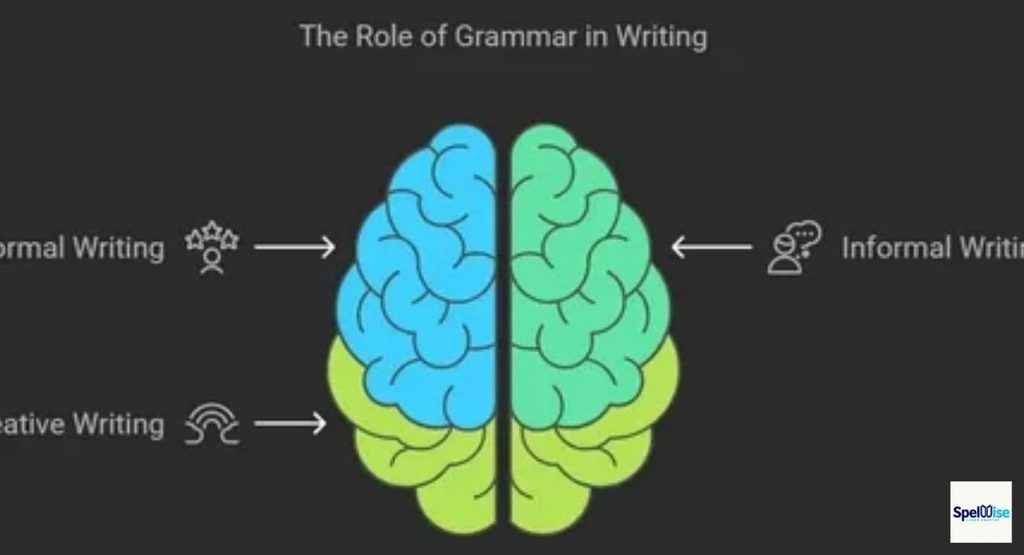
All these elements have specific functions that should be understood to make appropriate use of them in writing or speaking. For example, words of different parts of speech serve to describe, modify, and characterize objects, subjects, and predicates. By using adjectives and adverbs, you will know exactly how and to what extent you should perform a specific action, so that your expressions and whole statements make sense and become extremely clear.
Common Grammar Mistakes to Avoid
Grammar has several elements that are essential for the language structure. For instance, it has the main parts of speech, which are of particular importance because they enable the construction of complete sentences. Such elements of grammar as nouns, verbs, adjectives, and adverbs make the text or speech understandable and convey the information clearly.

The knowledge of the basic parts of speech can be beneficial for less experienced writers, for example, students, because they can improve their writing significantly. In particular, the correct usage of adjectives and adverbs, which describe things, people, and actions, makes the text or speech clear and conveys the information precisely. For this reason, elementary knowledge of the elements of grammar can be extremely important for a writer, because it will make the writing process much easier and creating complete sentences will cease to be a challenge.
How Grammar Changes Sentence Meaning
The change of the word may totally change the sense of the sentence. The arrangement of words, punctuations, and tenses makes the reader understand what you need to deliver. For instance, the change of position of the word ‘only’ can alter the whole sense of the sentence. It is essential to form correct sentences to deliver your thoughts clearly to the reader.
In addition, punctuation plays an important role in writing. Hence, incorrect placing of commas may result in misunderstanding or convey a different sense than intended. Correct knowledge of the basics of grammar enables you to have full control of the language and deliver your message efficiently and clearly.
Punctuation Rules Made Simple
Punctuation marks act as traffic lights that help us to write texts properly. Periods are used to end a sentence, while commas are used to make a pause to separate words or phrases. Question and exclamation marks are also great tools to punctuate. A writer should not get confused learning rules about punctuation.
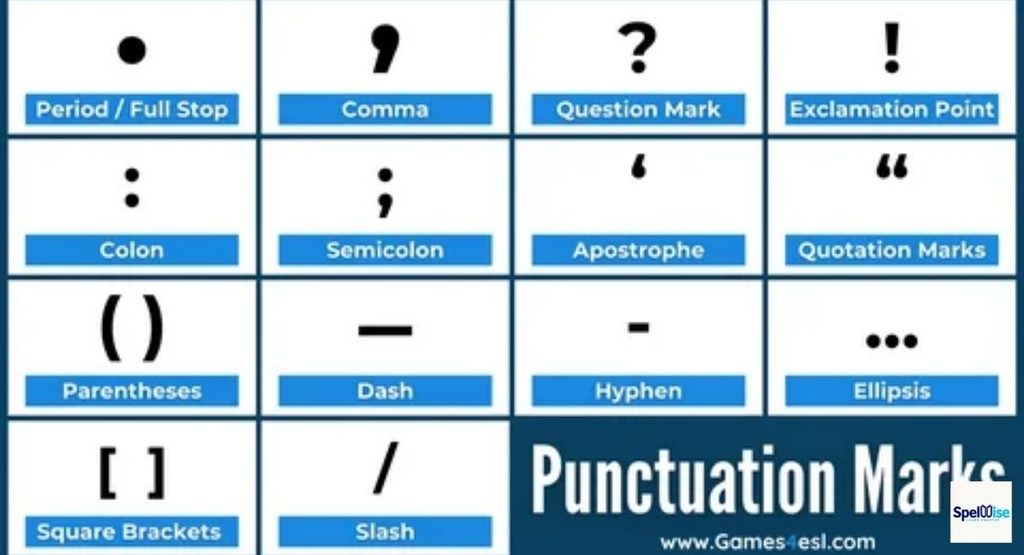
It is essential you know several basic rules of punctuation to punctuate correctly and obtain clear sentences. However, you should know the most common punctuation mistakes to avoid them to write a text easily and correctly. You should remember to capitalize the first letter of the sentence and use quotation marks when using someone’s direct words.
Daily Habits to Improve Your Grammar
Improving one’s grammar is a perpetual process that requires hard work and dedication on a daily basis. To learn how other people structure their sentences correctly, one can read books or articles for a few minutes each day. After a couple of weeks, one will have significantly improved their grammar without trying too hard since the process is fully subconscious.
Another effective way to improve one’s grammar is to read their own writings out loud to spot any errors. This strategy is essential because many grammatical mistakes can be spotted right away when one reads what they have written. Altogether, people who invest some time and effort into practicing the two aforementioned strategies can perfect their grammar in a matter of a few weeks.
What You Will Learn in This Guide
Before we dive deeper, here is a quick overview of what this guide covers:
- Core Elements: The basic building blocks that make up every sentence.
- Common Mistakes: Frequent errors to avoid in your daily writing.
- Meaning Changes: How changing grammar rules alters your message.
- Simple Punctuation: Easy rules to keep your writing clear and smooth.
- Daily Practice: Simple habits to improve your grammar naturally.
Key Features of Good Grammar
Good grammar is the foundation of clear communication. Here are the main features that make well-structured grammar effective:
- Clarity: It ensures your message is easy to understand without any confusion.
- Consistency: It maintains a uniform style in tenses, punctuation, and word choices throughout your writing.
- Readability: It creates smooth, short sentences that keep readers engaged from start to finish.
- Accuracy: It prevents common misinterpretations by placing words and punctuation in the correct positions.
- Professionalism: It gives your writing a polished, confident, and trustworthy tone.
Quick Summary of Core Grammar Parts
| Grammar Part | What It Does | Simple Example |
| Noun | Names a person, place, or thing | Book, London, Teacher |
| Verb | Shows an action or state | Run, Write, Is |
| Adjective | Describes a noun | Smart, Red, Quick |
| Adverb | Describes a verb or adjective | Fast, Slowly, Very |
| Punctuation | Adds structure and pauses | Period (.), Comma (,) |
Pros and Cons of Good Grammar
Pros (Advantages)
- Better Clarity: The sentence’s meaning is clear, so it will not confuse your readers.
- Professional Impression: Your text looks good and professional.
- High Readability: Text is easy to read and understand
- Prevents Misunderstandings: Proper placement of words helps avoid confused or mixed-up meanings.
Cons (Challenges)
- Time-Consuming: It takes time and effort to remember and apply all the rules
- Risk of Over-Fixation: Applying the rules in your writing may make it too stiff or unnatural-sounding
- Learning Curve: Remembering all the rules may be challenging for beginners.
Frequently Asked Questions (FAQs)
What is grammar in simple words?
Grammar is a set of basic rules that helps us combine words correctly to form clear, meaningful sentences.
Why is learning grammar important?
It helps you communicate your ideas clearly, avoid misunderstandings, and write with confidence.
What are the main parts of grammar?
The core parts include nouns, verbs, adjectives, adverbs, pronouns, prepositions, conjunctions, and punctuation.
Can I write good English without memorizing all grammar rules?
Yes, focusing on basic sentence structure, reading daily, and practicing simple writing is enough to write well.
What is the most common grammar mistake beginners make?
Confusing similar-sounding words like “your/you’re” and “their/there” is one of the most common mistakes.
How does punctuation affect sentence meaning?
Punctuation adds pauses and structure. A misplaced comma can change the entire tone or meaning of a sentence.
How can I improve my grammar daily?
Read books or articles daily, write short sentences, and read your text out loud to catch errors.
Is grammar different in spoken and written English?
Spoken English is often more casual, while written English requires clearer structure and proper punctuation.
Does good grammar help with SEO and ranking?
Yes, clear and grammatically correct content improves readability, keeping readers on your page longer, which helps in search ranking.
My Experience

When I first knew grammar, I thought that it was pure torture. Such a bunch of rules and unclear terms that confuse you more than anything else cannot bring any good. I used to fight the rules when I wrote essays, believing that a small mistake can spoil everything. The problem was that I have never thought that grammar is something that is not an integral notion created to challenge students. Once I started studying the basics of grammar and read a lot, I got rid of my complexes and understood that grammar is simply a tool that makes our lives easier.
I learned how to express my thoughts clearly without dwelling on complicated grammatical constructions. What I always did was reread what I wrote out loud to myself, correcting minor grammar mistakes. Now I can say that I am confident enough in my writing skills and can express my ideas clearly and concisely with the help of proper grammar.
Conclusion
Mastering basic grammar does not require memorizing every complex rule overnight. By focusing on core elements, avoiding common mistakes, and practicing simple daily habits, you can steadily improve your writing skills. Clear communication builds confidence and makes your content much easier for readers to understand. Start with small improvements today, and watch your language skills grow naturally over time.