Grammar is a linguistic phenomenon that establishes the necessary rules for connecting words, phrases, and sentences to provide understandable expressions of thoughts and ideas. Without grammar, it would be almost impossible to create comprehensible utterances that would convey the intended meaning accurately. Grammar is the basis of any correct and properly structured communication because this linguistic tool makes the connection of words easier for both the speaker and listener.
There are several important aspects of grammar that are relevant to creating correct and accurate statements. First, grammar includes syntax that establishes the necessary patterns for correct writing. Second, parts of speech offer essential grouping and help to establish meaningful connections between word combinations. Third, grammar considers such phenomena as punctuation and mechanics that are also significant for structuring sentences. Finally, semantics is another essential aspect of grammar that focuses on the meaning and context of ideas, phrases, and words.
The primary goal of studying such a phenomenon as syntax is to identify the necessary rules to achieve the desired statement in one’s writing. One should also recognize the significance of correct syntax in terms of avoiding the most common mistakes that can jeopardize the accuracy of the delivered messages. A writer who masters the art of constructing sentences with properly placed modifiers and words can effectively control the writing pace and maintain the reader’s attention.
Syntax and Utterance Construction
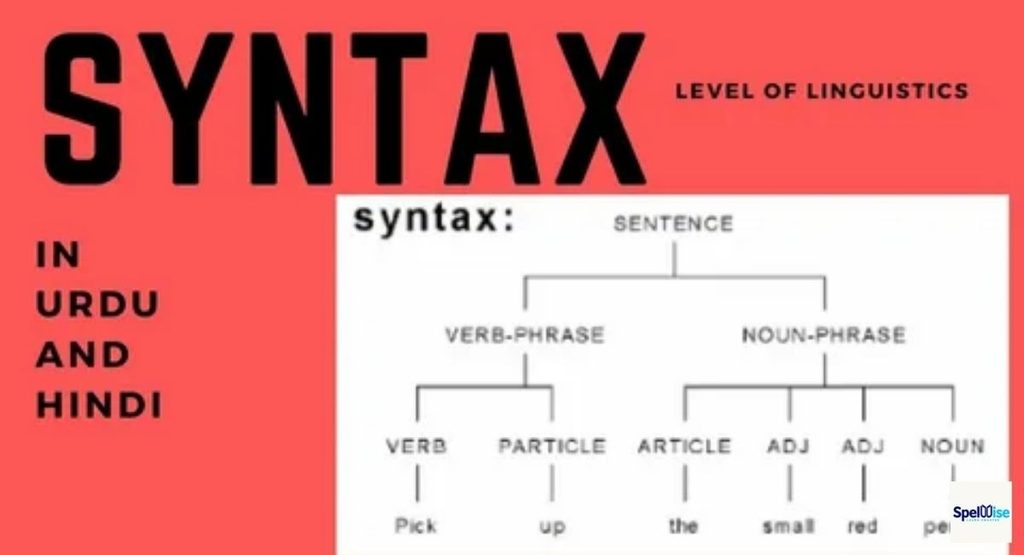
One of the main issues connected with grammar is syntax, or the sentence structure. Syntax establishes the order of subjects and predicates, and a correct pattern will make your sentences clear and easy to understand. Moreover, it organizes sentences into meaningful sequences and controls the flow of ideas within paragraphs. The awareness of syntactical patterns helps writers to avoid mistakes and errors. Varying sentence length and structure makes writing flow smoothly and keeps the reader’s attention throughout the paper. In addition to that, using different types of sentences is an essential rhetorical skill included in effective writing.
Parts of Speech
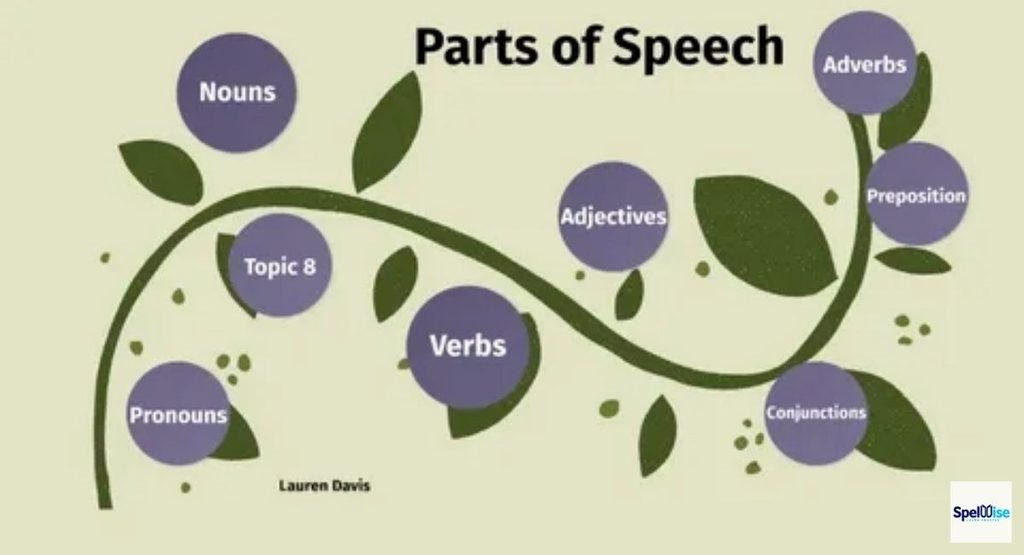
The item of a speech defines a particular use of a word; a sentence structure consists of several kinds of words: nouns, pronouns, verbs, adverbs, adjectives, prepositions, and conjunctions, as well. The mastery of parts of speech will help compose clearer and more attractive texts. It becomes possible to avoid various errors more often and achieve a high level of proficiency in writing texts of different styles and genres. Moreover, an author’s understanding of all parts of speech is vital for creating a meaningful and stable sentence structure. Using an appropriate word in a particular sentence is significant for the writer’s purpose; it may seem minor, but in practice, it helps much in making the writing more convincing, especially when a specific audience is addressed in a written message.
Punctuation and Writing Mechanics
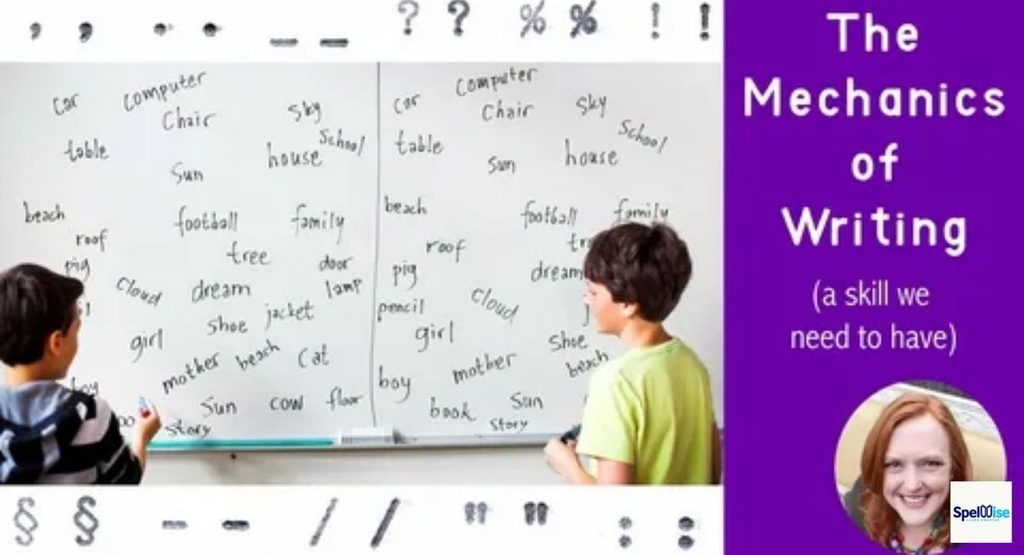
Appropriate punctuation marks serve as visual cues for sentence flow, which guides readers’ attention to important ideas while writing. Additionally, punctuation marks affect the text’s clarity by distinguishing between words or phrases that are connected, contrasted, combined, or dependent. Mechanics is the set of language conventions that make writing accurate, clear, and easy to understand. Proper capitalization, spelling, and punctuation marks are also significant for a well-written paper. Overall, the correct writing mechanics contribute to the clarity, simplicity, and conciseness of the paper. Mostly, incorrect or missing punctuation marks change the meaning of entire sentences, so that’s why, today, such a considerable number of people address punctuation mistakes.
Semantics
Semantics studies meaning: the meaning of individual words or morphemes and how they combine into phrases, sentences, and larger structures. It focuses on what exactly a particular utterance means. While syntax organizes text, semantics gives it meaning; thus, the structure of the paper must match the goals of the author. Correct recognition of terms’ meanings is essential for proper word choice; the author chooses particular words, phrases, and sentences that are helpful for the reader. Overall, semantics awareness helps the writer to define meanings and deliver the message to its target audience clearly and precisely. A deep knowledge of semantics is also a crucial competence for writing of any type and level.
Descriptive and Prescriptive Grammar
Descriptive grammar’s purpose is based on studying how language is actually used; it emphasises the importance of dialects and language variations. However, prescriptive grammar defines language rules from traditional standards, and its major purpose is education that emphasizes language’s inherent correctness. Any prescriptive grammar rules are typically applied in different areas of activity (science, official documents) and help in creating a unique standard required by the document’s type.
A descriptive approach highlights actual facts about the language; that is why it’s possible to see significant differences between prescriptive and descriptive grammars: the first one, traditional, and the second one, based on sociolinguistic facts. Over time, language has evolved; as a result, modern communicants developed a specific syntax that allows a quick exchange of information using minimum words and special signs (emojis). A deep knowledge of modern grammar rules is crucial for creating documents of a high level; it helps to follow all recommendations concerning clarity, simplicity, and accuracy of the paper. The basics of descriptive and prescriptive grammar allow modern communicants to be effective in grammar rules, avoid mistakes at different stages of writing, and meet the requirements of specific texts, documents, tasks, and occasions.
What’s New in Modern Grammar:
- Introduction of the singular “they” as a gender-neutral pronoun into prescriptive grammar writing standards.
- Relaxation of several prescriptive rules to provide more freedom to writers and address the changing realities of colloquial speech.
- Application of new digital punctuation and capitalization to deliver messages of quick and simple digital conversations.
- Increasing use of new tech jargon and slang in dictionaries and other reference resources.
- The introduction of the necessary standards for papers and documents written with the help of computers and other artificial devices.
Feature Detailed Description
Structural clarity: Structural clarity refers to organizing information in a clear way to help the target audience understand the main ideas easily. This feature of grammar helps to avoid any possible confusion when presenting information about different subjects, events, and phenomena. One should mention that all structural principles apply to all types of writing to help maintain the writer’s focus and control the writing pace. In short, maintaining structural clarity is one of the most important goals of any writer who wants to sound credible and competent.
Adaptive tone: Adaptive tone refers to delivering messages in a different tone to engage the target audience and deliver messages accurately. This feature of grammar is highly relevant when referring to the basic principles of academic writing, which presupposes a clearly defined tone that corresponds to the target audience. One should understand that an adaptive tone helps to avoid misunderstandings and misinterpretations resulting from ambiguities and incorrect phrasing of specific sentence structures. It is worth noting that correct tone application is an essential aspect of proper communication in any setting.
Precision mechanics: Precision mechanics helps to achieve the necessary precision in writing to convey clearly defined ideas to the target audience. In other words, this feature of grammar helps to eliminate misinterpretation due to incorrect punctuation marks and other details that can change the intended meaning. Moreover, precision mechanics presupposes maintaining a competent and credible tone to convince the audience of the validity of the delivered messages. To sum up, applying precision mechanics is an efficient way to ensure that the intended meaning cannot be misconstrued.
Contextual flexibility: Contextual flexibility refers to using appropriate grammar rules depending on the writing task and target audience. In other words, this feature of grammar helps to use clear and unambiguous language to avoid ambiguity when delivering information. Using appropriate contextual rules ensures that the target audience understands the information easily without unnecessary challenges. One should also note that contextual flexibility is an efficient tool for maintaining correctness and clarity when addressing different audiences.
My Experience
I have gained great experience when working with the concepts of structural grammar. This form of written communication helped me achieve tremendous success when working on various projects and tasks. I managed to work with different writing assignments and document types, and I always achieved the desired result. In addition, I devoted enough time and effort to study the essential rules of modern grammar and mechanics to become a competent writer who can work with any type of writing assignment.
Pros & Cons
Pros
* Enhances clarity and prevents costly misunderstandings in communication.
* Builds professional credibility and authority across all written documents.
* Provides a versatile structure for creative and persuasive self-expression.
Cons
Strict adherence to rigid rules can sometimes limit stylistic creativity.
* Learning intricate mechanical rules requires continuous practice and effort.
FAQS
What is the main purpose of grammar?
Grammar establishes the fundamental rules that underlie the correct and comprehensible writing of any message.
Is grammar a changing phenomenon?
Yes, grammar is a constantly changing phenomenon that reflects the realities of the language’s writing and speech.
What is the difference between syntax and diction?
Syntax refers to the basic rules for constructing sentences, whereas diction refers to the chosen words.
Why is punctuation essential in the writing process?
Punctuation helps to ensure that the target audience understands the ideas accurately.
Does incorrect grammar affect the credibility of a writer?
Yes, incorrect grammar results in reduced levels of credibility because the audience may perceive the writer as unprofessional.
Conclusion
In conclusion, grammar is a fundamental linguistic aspect that provides the basis for accurate and believable communication in all writing types. In this regard, it is essential to invest enough effort and time in learning the fundamental grammar structures, rules, and applications to achieve writing excellence. You can use the basic principles of grammar to convey clear and precise messages to your target audience and become a competent writer.